✓ 1-on-1 Live Online Sessions
✓ Male & Female Certified Tutors
✓ 100% Free Trial Included
Need assistance? WhatsApp: +20 123 456 7890
Daad Academy
Beginner Arabic From the First Letter 1-on-1 Live Online

Arabic Lessons For Beginners

Arabic lessons for beginners at Daad Academy start from the very first letter, with live one-to-one lessons and a native Arabic-speaking Al-Azhar graduate teacher who corrects you as you speak. You will learn to read the letters, write simple words and say your first sentences, at a pace that suits you. No Arabic is assumed. Book a free trial session to meet your teacher first.
From Zero No Arabic Needed
6 Milestones From Letters to Sentences
1-on-1 Live Online Lessons
Free Trial Meet the Teacher First
Admissions Open 24/7
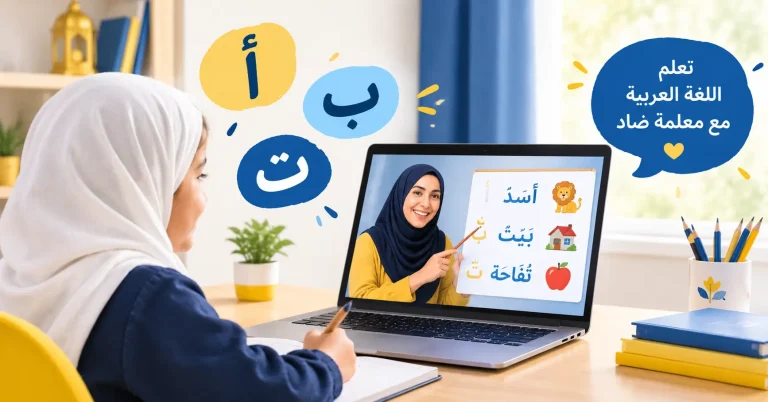
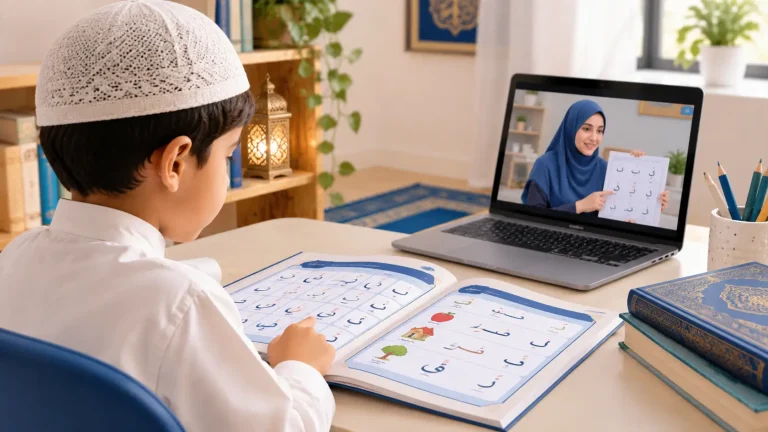
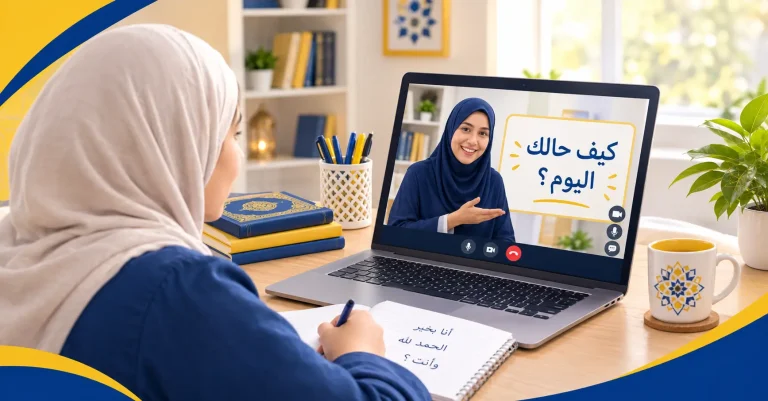
"Adult beginner learning the Arabic letters in Arabic lessons for beginners with a Daad Academy teacher"

Ready to start your journey?

Book Your FREE Trial Session

Arabic Lessons for Beginners: Course Overview

LevelComplete beginner, no Arabic needed
FormatOne-to-one, live online
Starting pointThe first Arabic letter
Who it is forAdults and older teens (children have their own course)
LanguageArabic and English
TeachersNative Arabic-speaking Al-Azhar graduates
SkillsReading, writing, listening and first speaking
ScheduleLesson times follow your local time zone

Is This the Right Place to Start?

Absolute Beginners

You have never seen an Arabic letter, and you want a patient start from the very beginning.

Self-Taught Learners

You picked up a few letters or words on your own and want a teacher to fill the gaps.

Older Teens and Adults

You want to learn Arabic in private lessons that follow your own schedule.

Learners Planning to Go Further

You plan to continue later to adult classes, formal Arabic or grammar, and want a solid base first.

Your Six First Milestones

UNIT 01

Milestone 1: Meet the Letters

▼
Recognize each Arabic letter and say its name and its sound.
UNIT 02

Milestone 2: Join the Letters

▼
See how letters change shape and connect to each other inside a word.
UNIT 03

Milestone 3: Read Your First Words

▼
Add the short vowels and read simple words aloud with your teacher.
UNIT 04

Milestone 4: Write What You Read

▼
Form letters and words by hand, from right to left.
UNIT 05

Milestone 5: Greetings and Introductions

▼
Say hello, introduce yourself and ask simple questions.
UNIT 06

Milestone 6: Your First Sentences

▼
Build short sentences with everyday words and basic sentence patterns.

Small Habits That Keep You Moving

  • Choose a fixed time each day, even if it is only ten minutes
  • Trace each new letter by hand while you say its name aloud
  • Review the last lesson’s letters out loud before the next lesson begins
  • Write down questions as they come and bring them to your teacher
  • Try to read any Arabic you see, such as a sign or a caption, one letter at a time

Why Beginners Learn Well With a Live Teacher

Start from zero: no Arabic is assumed, and your first lesson begins with the first letter.

One-to-one attention: your teacher listens to you alone and corrects each sound as you say it.

Native Arabic-speaking teachers: lessons are taught in Arabic and English by qualified, certified teachers who graduated from Al-Azhar University.

English support when you need it: new words are explained in English, so you are never left guessing.

Lessons in your time zone: lesson times follow your local time, wherever you live.

A free trial first: meet the teacher and try a real lesson before you decide.

اقْرَأْ بِاسْمِ رَبِّكَ الَّذِي خَلَقَ
“Read in the name of your Lord who created.” (Surah Al-‘Alaq, 96:1)

The first word of revelation was “Read.” Every reader begins with a single letter, and learning it step by step is a good place to start.

From Booking to Your First Lesson

1

Book Your Free Trial: Choose a time that suits your time zone and meet the teacher in a real one-to-one lesson.

2

Tell Your Teacher Your Goal: Explain why you want to learn Arabic and whether you have seen any Arabic before.

3

Start From the First Letter: Begin with the first milestone and move on at a pace that feels comfortable.

What Parents Say

★★★★★

"I always wanted to learn Arabic but didn’t know where to start. The beginner lessons at Daad Academy made the process much easier than I expected! The teacher explains everything clearly, helps me pronounce the letters correctly, and gives me plenty of opportunities to practice. I’m now able to recognize Arabic letters, read simple words, and introduce myself in Arabic. I’m excited to continue learning and see how far I can go!"

Sarah M.Canada
★★★★★

"Learning Arabic as a complete beginner seemed challenging at first, but my experience with Daad Academy has been very positive. The lessons are well-structured, interactive, and adapted to my level. I especially appreciate the patience and encouragement I receive during each class. I’ve made real progress in reading Arabic and understanding basic conversations, and I feel much more confident than when I started. I highly recommend these lessons to anyone who wants to learn Arabic from scratch!"

Adam B.France

Where to Go After Your First Steps

Students who enrolled in this course also advanced their foundational knowledge with these related programs:

Arabic Classes Online Arabic Classes For Kids

Online Arabic Classes For Kids

Online Arabic classes for kids at Daad Academy teach children to read, write and speak Arabic in live one-to-one le...

Ages 5-16 12 Weeks 3
Arabic Classes Noorani Qaida Course

Noorani Qaida Course

The Noorani Qaida course at Daad Academy teaches you to read the Quran from the very first Arabic letter. Every les...

Level Plan Lesson length
Arabic Classes learn Arabic Online

learn Arabic Online

Learn Arabic online at Daad Academy in live one-to-one lessons with native Arabic-speaking Al-Azhar graduate teache...

6 Paths 1-on-1 Ages 5+

Arabic Lessons for Beginners: Your Questions

Do I need to know any Arabic to start?−
No. The course starts from the first letter, and no Arabic is assumed.
Is this course for children?+
No. This course is for older teens and adults. Children aged 5 to 16 have their own Arabic course.
Will I learn to read the Quran in this course?+
No. These lessons teach the Arabic language. To learn to read the Quran from the first letter, see the Noorani Qaida course.
Which kind of Arabic will I learn?+
Your teacher will explain in the free trial which form of Arabic fits your goal and why, so you can choose with confidence.
Is Arabic hard for English speakers?+
The script and some sounds are new, which makes the start feel unfamiliar. With a teacher who corrects you step by step, most beginners find it becomes manageable.
Is there a free trial?+
Yes. A free trial session is available so you can meet the teacher first.

Arabic Lessons for Beginners: What to Expect From Day One

Arabic lessons for beginners at Daad Academy begin with the very first letter and a teacher who works only with you. If you have never studied Arabic, or you have tried on your own and stalled, this page shows what the first lessons look like, what feels new about the language, and where you can go once you have found your feet.

What Is Different About Arabic for English Speakers

Arabic looks unfamiliar at first, but a few simple facts make it much less intimidating. The Arabic script is written from right to left, and it has no capital letters. Most letters change shape depending on where they sit in a word. Short vowels appear as small marks above or below the letters, and many everyday texts leave them out once readers are fluent. Some sounds, especially those made at the back of the throat, have no English match, which is why hearing them from a live teacher matters.

What Your First Lessons Look Like

In a live one-to-one lesson you do not sit through a lecture. Your teacher shows a letter, says it, and listens as you repeat it. Small corrections happen straight away, while the sound is fresh. You then meet the same letter inside simple words, so it stops feeling like a drawing and starts feeling like part of a language. Explanations are given in English when you need them, and Arabic is introduced step by step.

Worries Many Beginners Have

  • “I cannot even read the letters.” That is exactly where this course starts. No Arabic is assumed.
  • “The sounds are strange.” They are for almost everyone at first. A teacher who hears you can show you where each sound is made.
  • “I am afraid of making mistakes.” In a private lesson there is no audience, so mistakes simply become the material your teacher works with.
  • “I do not know where I will end up.” You do not have to decide now. Your first lessons build the base for every later Arabic course.

How Your Teacher Adjusts the Pace

Because the lesson is one-to-one, the pace follows you. If a letter takes longer, you stay with it until it feels natural. If something comes quickly, you move on instead of waiting for a group. A free trial session also lets the teacher see where you are starting from, so your first real lesson begins at the right place.

Why Writing by Hand Helps

Writing each letter yourself helps your eyes and your memory learn its shape. It also shows you how letters join, which is a big part of reading Arabic words. That is why the milestones above include writing alongside reading, rather than leaving it for later.

Learning the Arabic Language or Learning to Read the Quran?

These are two different goals. This course teaches Arabic as a language: letters, words and simple sentences. If your goal is to read the Quran from the first letter, the Noorani Qaida course is built for that. If you would like a free taste of the first step, our guide to Noorani Qaida lesson 1 introduces the letters one by one. Many learners go on to do both.

What You Need to Begin

  • A quiet place where you can speak aloud without interruption.
  • Headphones and a working microphone, so the teacher hears every sound clearly.
  • A steady internet connection and a screen large enough to see the page.
  • A notebook for letters, new words and questions.

A Simple Weekly Rhythm

Steady practice matters more than long sessions. A good rhythm is to attend your lesson, review the new letters aloud the same day, practise for a few minutes on most other days, and write down questions for your next lesson. Your teacher can suggest what suits your schedule best.

Where to Go After Your First Steps

Once you can read and say simple sentences, you can choose a direction. Adults who want a structured plan for work, travel or family can continue with Arabic classes for adults. If you want the formal Arabic of books and news, see the Modern Standard Arabic course, and when you are ready to study how sentences are built, the Arabic grammar course follows naturally. Not sure which path fits you? Learn Arabic online explains the options side by side. Learners younger than 16 should look at our online Arabic classes for kids instead.

Start With a Free Trial

A free trial session lets you meet the teacher and try a real lesson before you decide. Book a free trial session for Arabic lessons for beginners and take your first step with someone who listens to you.

Your First Letter Is Closer Than You Think

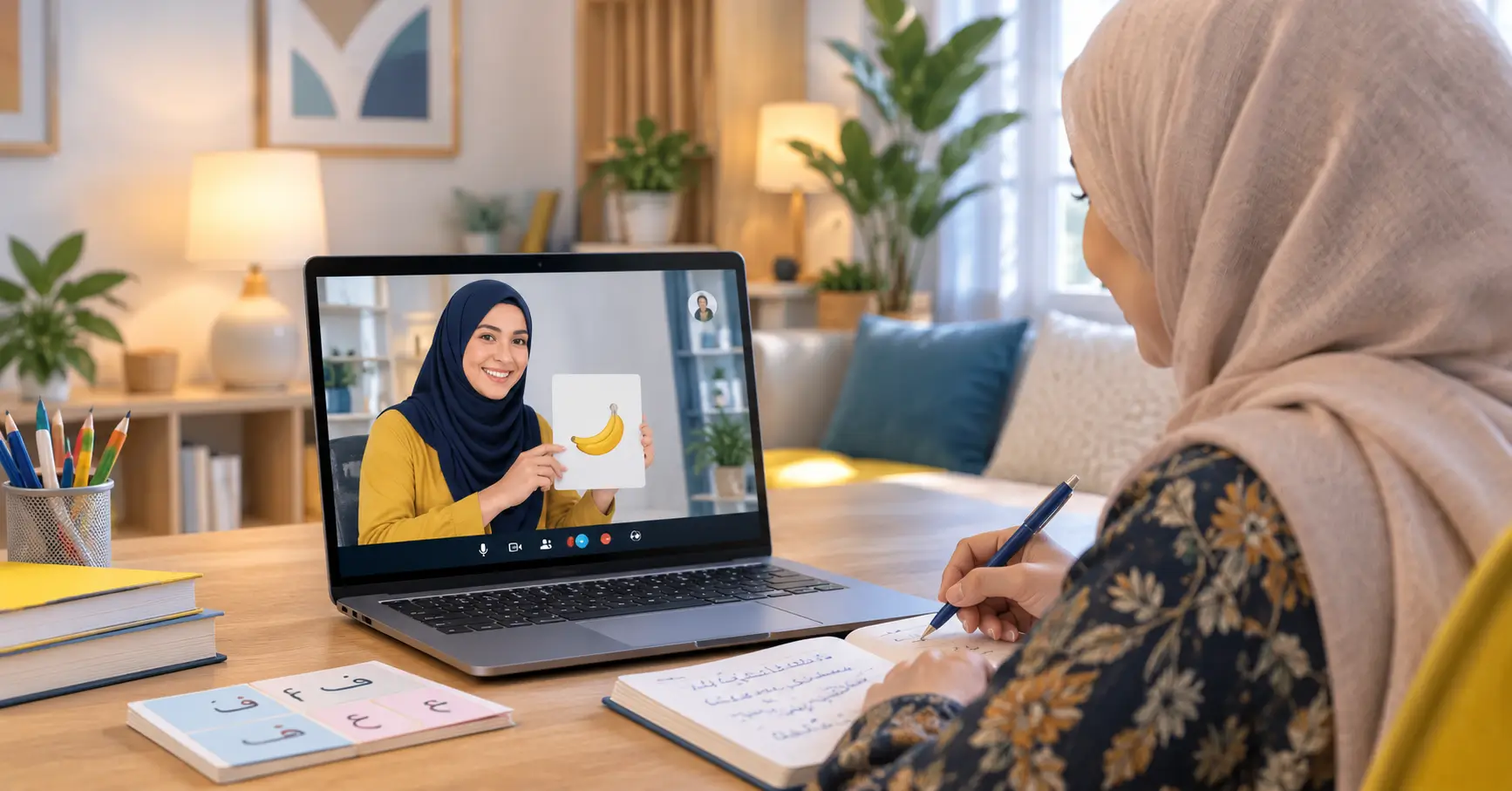
Starting Arabic from nothing can feel like standing at the edge of a new world. The letters look unfamiliar and the sounds are new, but every fluent reader began at exactly this point.

In live one-to-one lessons, your teacher moves at your pace, corrects you as you speak, and builds each milestone on the one before it.

Book a free trial session and take your first step in Arabic.